Discover Mongolia& Naadam festival 16 days
Overview
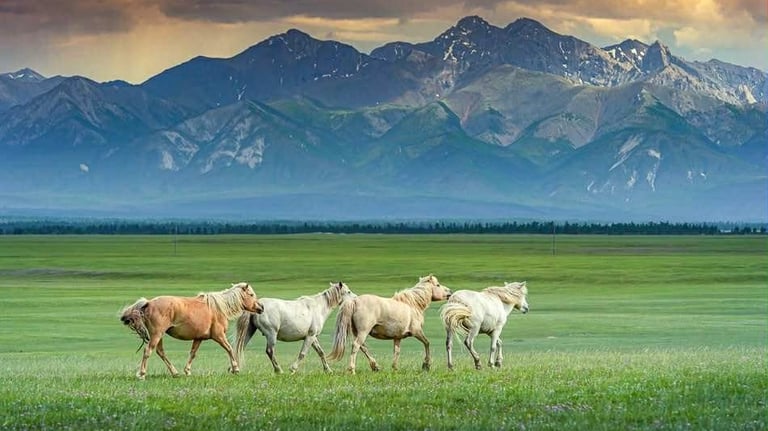
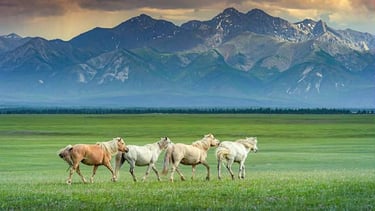
This two-week journey combines Mongolia’s must-see landscapes with the excitement of the Naadam Festival. Experience Naadam in Ulaanbaatar and again near Lake Khuvsgul, where you can meet local communities and enjoy traditional games.
Travel through the Gobi Desert, central Mongolia’s valleys and historical sites, and the pristine parks and lakes of the north. Along the way, experience nomadic life, enjoy traditional barbecue, and take part in short hikes, volcano climbs, and horse and camel rides—an authentic and memorable Mongolian adventure.
Excludes:
Items of personal nature
International travel
Alcoholic drinks, snacks, bar bills and laundry
Travel insurance
Single supplement
Gratuities for guides and drivers
Tour price:
2 PAX 3470$
3 PAX 2885$
4 PAX 2621$
Group Tour 2375$ (Single supplement 705$)
Includes:
2 nights in 3* hotel
13 nights in ger camps
Van Transfer
Horse & camel riding
English Speaking guide
Entry fees to national parks and the museums
Daily drinking water
Date:
29 June to 14 July 2026
7July to 22 July 2026
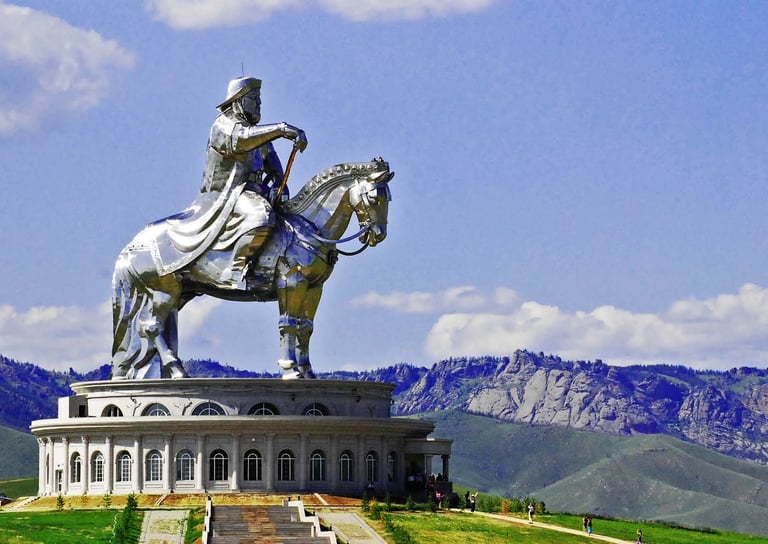
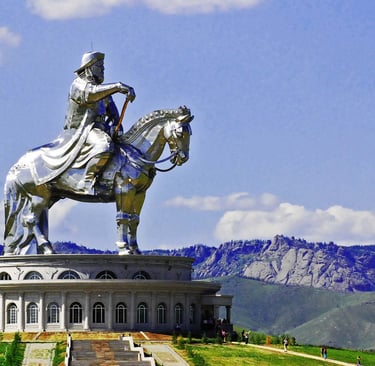
After meeting you at your lodging, your driver and guide will begin your Ulaanbaatar city sightseeing trip. After visiting Central Square, you will proceed to the spiritual and cultural center and energy hub, Gandantegchilen Monastery. Another noteworthy feature is a 26-meter-tall gilded statue of a Buddha (in Megjid Janrasag sum). Next, take in Ulaanbaatar's expansive vista from Zaisan Hill. Visit the enormous statue of Genghis Khan, which was erected in a historic location, after lunch. This 40-meter-tall statue is regarded as the world's highest equestrian statue. See the big traditional shoe, a whip, and the Khan Khentii Mountains, the birthplace of Genghis Khan.
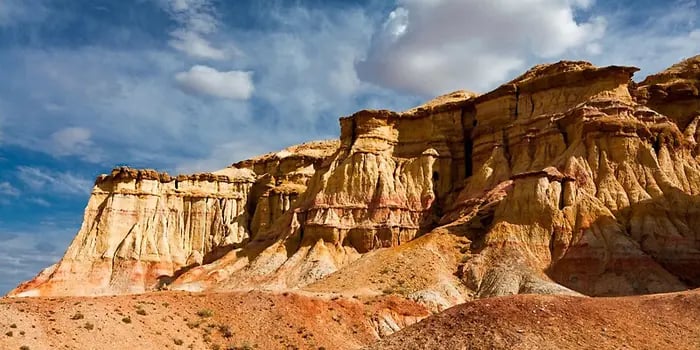
"White Stupa" is the meaning of Tsagaan Suvarga. It is among the Gobi's most well-known attractions. The bizarre natural phenomenon known as Tsagaan Suvarga is made up of enormous, colorful mud cliffs that resemble stupas, which are mound-like buildings that are home to relics. There is an opportunity to snap breathtaking pictures while hiking through the cliffs. Ger camp lodging; breakfast, lunch, and dinner
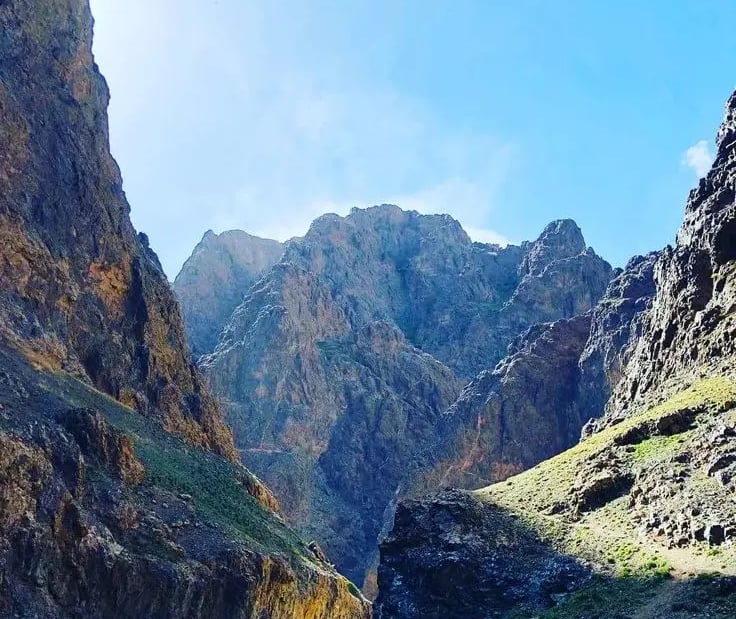
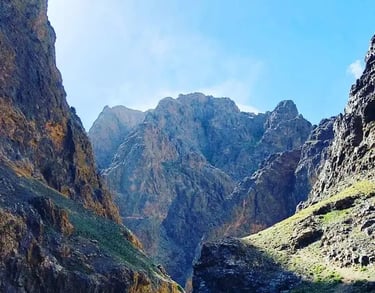
"Three magnificent mountains in the Gobi" is what the Gobi Gurban Saikhan signifies. Rich in biodiversity and picturesque locations, the Gobi Gurban Saikhan Mountain is a stunning national park. Yoliin Am/Eagle Valley is one of those that can be reached by driving. We will stroll through the picturesque valley and into the depths of the vertical rock canyon, which is shaded from the sun, after parking our cars in a designated spot. It has ice until the end of June as a result. The two-way hike lasts between two and three hours. The valley is home to ibexes, bearded eagles, and timid wild sheep.
Day 4: Sand Dunes at Khongor and riding a two-humped camel
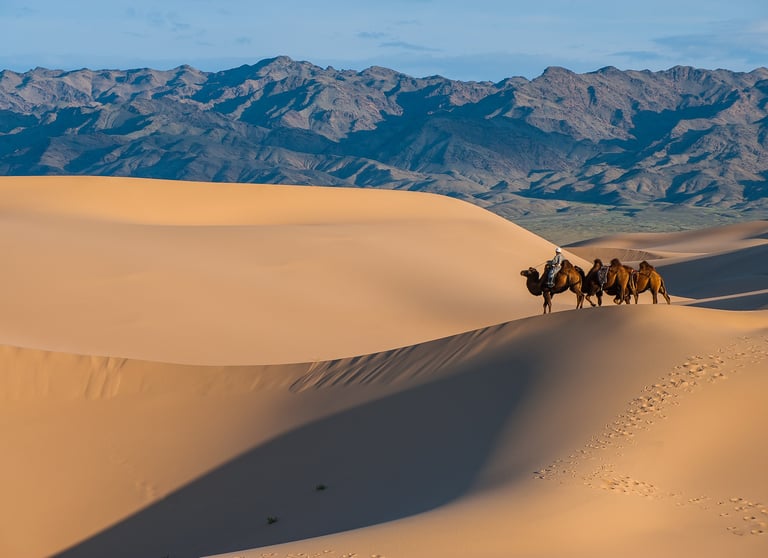
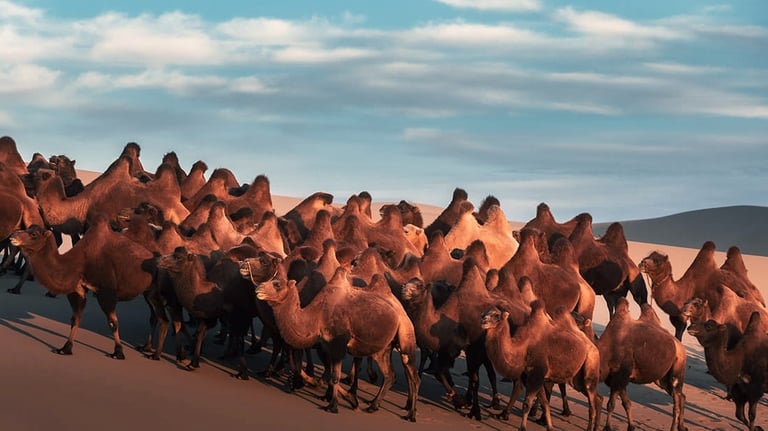
We will proceed to the tallest sand dunes, Khongor. Once you arrive at the dunes, you will trek along the verdant riverbank, ascend a dun, go to see a nomadic family, and ride two-humped camels. Discover why the locals refer to the sand dunes as "Singing Sand" by spreading the sand northwards against the wind if you are able to scale one of the tallest sand dunes. From the summit of the sand dunes, the views are breathtaking.
Day 5: Flaming Cliff
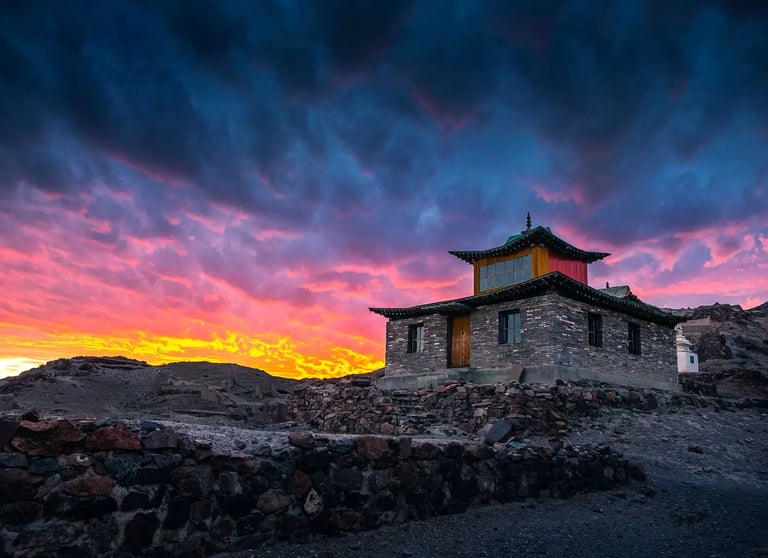
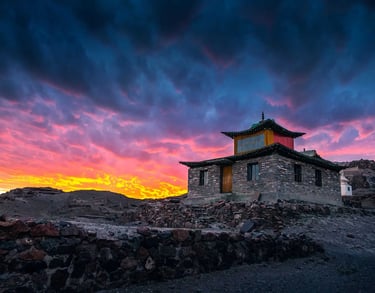
Travel to Ongi Monastery by first driving via slate mountains and then on the 80-kilometer Ongi steppes. One of Mongolia's seven largest monasteries was Ongi Monastery. On the banks of the Ongi River, encircled by the mountains of the Gobi Desert, were two distinct monasteries with over thirty temples. During the 1930s socialist crackdown, the temples were demolished. The monastery' ruins now cover a large region. See the remnants of a monastery, climb a nearby mountain for a bird's-eye perspective, then see a new, active temple and a ger museum.
Day 6: Travel across the vast steppes to Ongi Monastery.
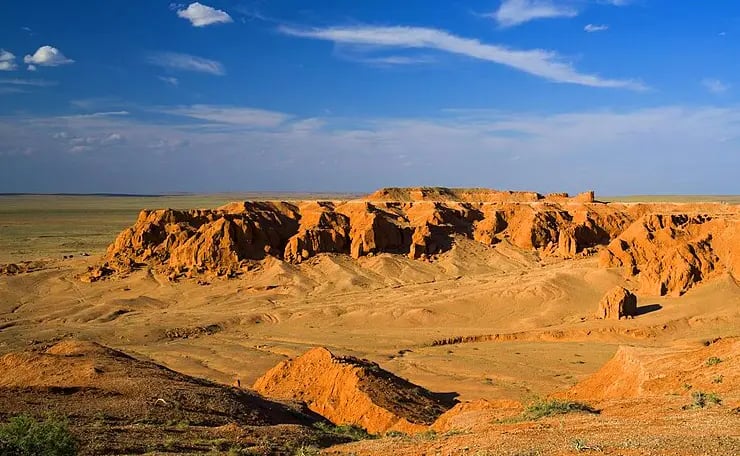
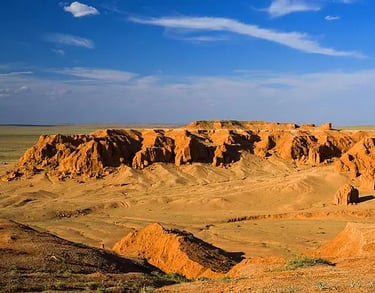
We will continue our journey to the Flaming Cliffs, where American explorer Roy Chapman Andrews discovered the first dinosaur eggs ever found as well as the dinosaur graveyard. As you hike along the cliffs, you may come across dinosaur fossils and the "Bayanzag" grove of Gobi trees. "Rich in saxaul trees" is what Bayanzag implies. Only the Gobi Desert in Central Asia is home to this tree.
Day 7: Ancient Monastery Erdenezuu, Kharkhorin
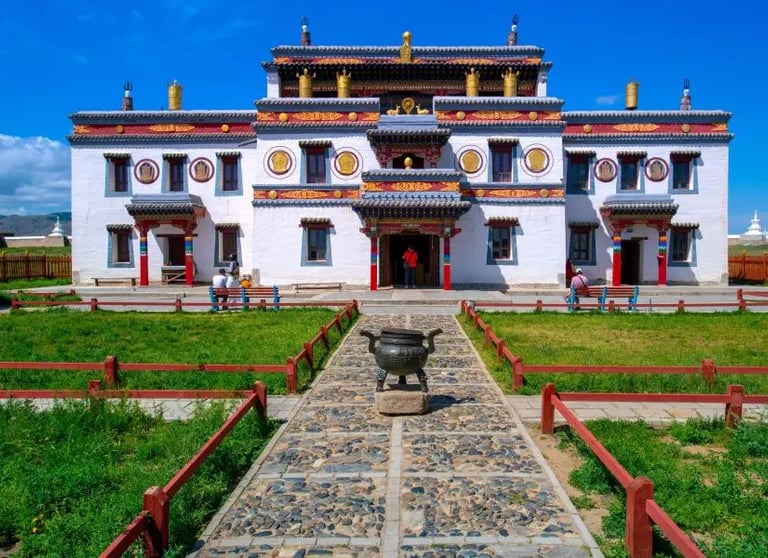
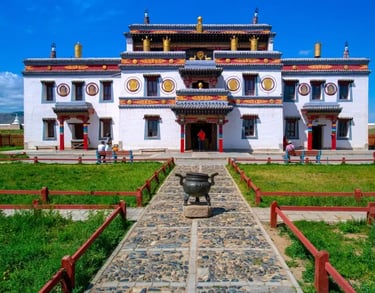
The area where your excursion today takes place is where the Gobi desert meets the mountain steppes. In the thirteenth century, Genghis Khaan's Great Mongol Empire had Kharkhorin, formerly known as Kharakhorum, as its capital. Karakorum was abandoned and later destroyed by Min forces in 1388 following the fall of the Empire and the relocation of the Mongolian capital to Beijing. Today, Kharkhorin town and the magnificent old monastery Erdenezuu coexist in the broad Orkhon River valley. Visit the Kharakhorum Museum to see relics from the ancient city, see its magnificent architecture, and see some priceless religious artifacts in the monastery museum.
Day 3: Drive to Gobi Gurban Saikhan Mountain National Park, visit Eagle Valley
Day 2: Tsagaan Suvarga
Day 1: Ulaanbaatar & Genghis Khan Statue
Day 8: Visit a nomadic family and enjoy Mongolian barbecue in Arkhangai province
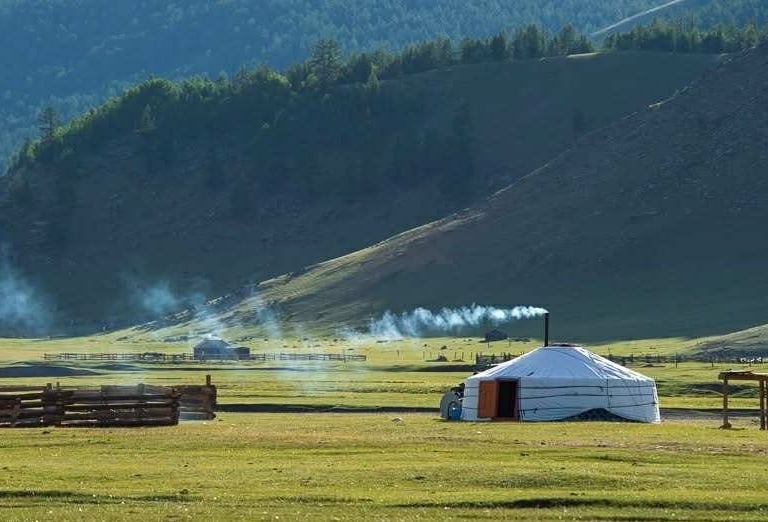
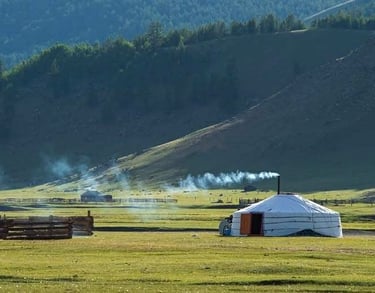
We start the day with a drive and a quick tour of the Arkhangai province's Tsetserleg town, which includes its marketplace. Proceed to visit a nomadic family that herd yaks and enjoy a traditional Mongolian lunch of BBQ. Learn more about the northern Mongolian nomads' traditional way of life. After that, make a halt at the Chuluut River canyon while driving through Arkhangai's scenic surroundings. In the late afternoon, you will reach Khorgo Terkhiin Tsagaan National Park.
Day 9: Horseback Riding and Khorgo Terhiin Tsagaan National Park
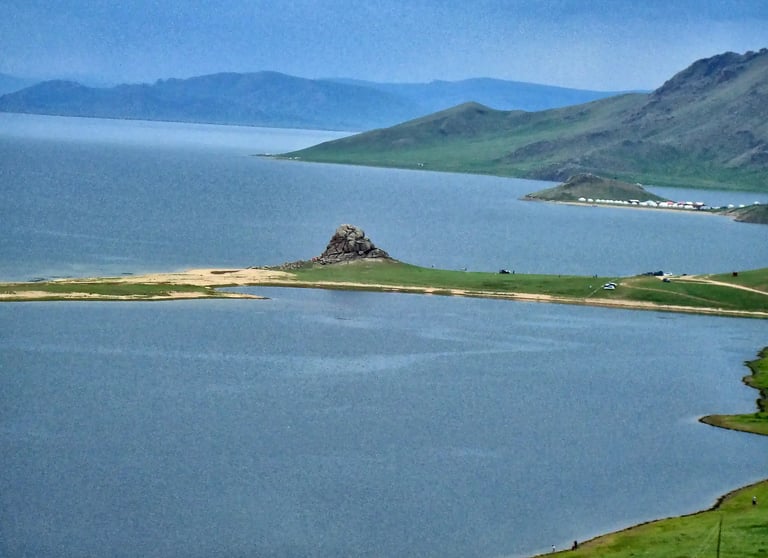
Explore this alpine national park known for its extinct volcanoes and the freshwater Terkhiin Tsagaan Lake, formed by ancient lava flows. Hike to the top of Khorgo Volcano for panoramic views of the lake and surrounding pasturelands where nomadic families live. In the afternoon, visit lava caves, ride horses, and enjoy the scenic lakeshore.
Day 10: Stay at Shine-Ider
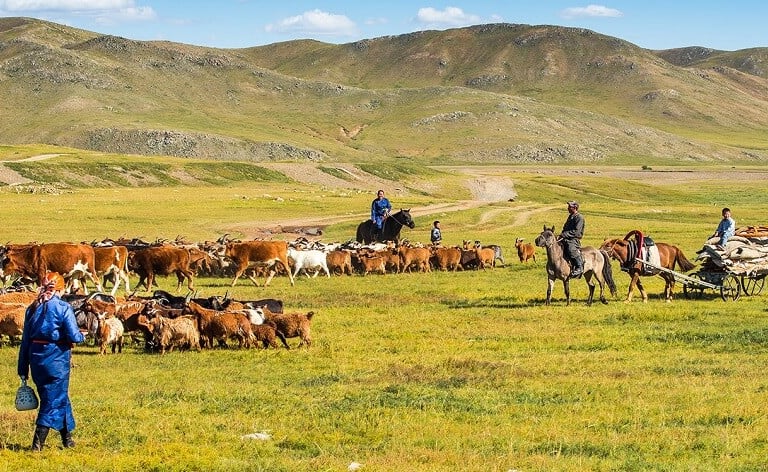

Initially, you will travel alongside Terkhiin Tsagaan Lake, a charming animal pastureland and a nomads' summer home. All in all, you will travel through beautiful scenery today before arriving at a ger camp. Free afternoon to explore the neighborhood, go hiking, or just unwind.
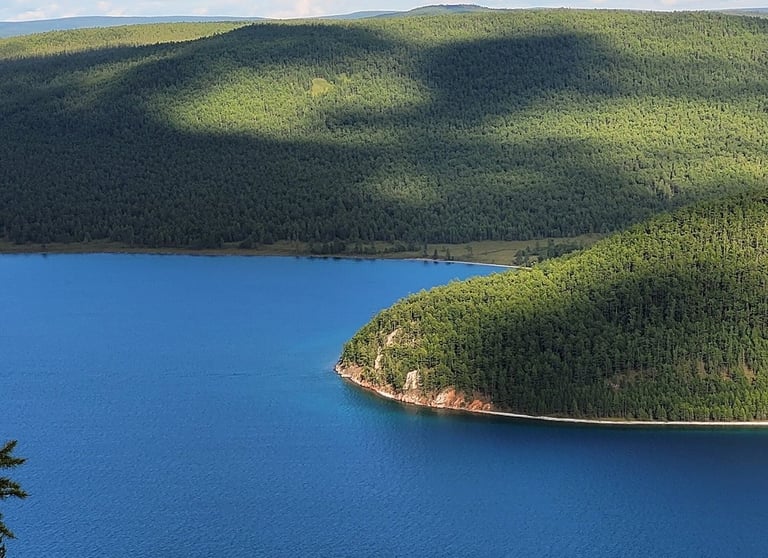
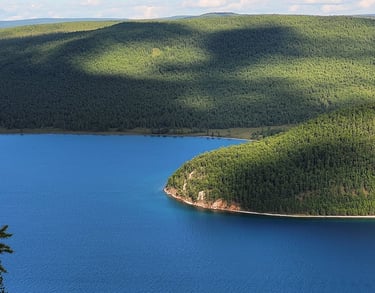
Day 11:See Khuvsgul Lake and deer stones.
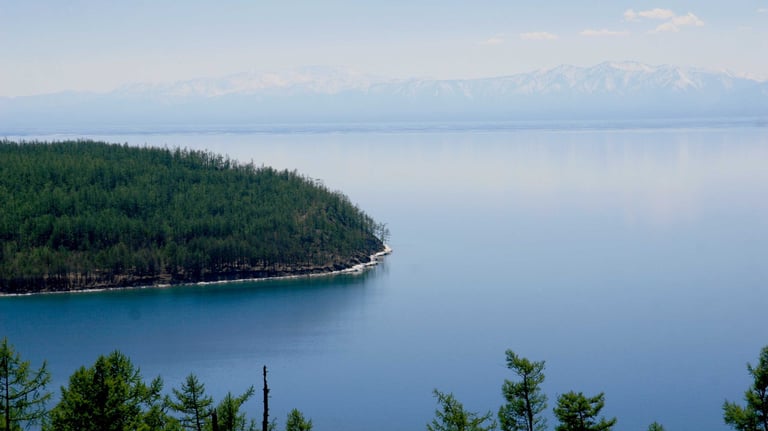
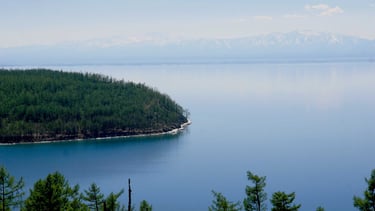
The journey continues to Lake Khuvsgul, a beautiful freshwater lake surrounded by sheer granite mountains and Siberian taiga at 1,600 meters above sea level. Stretching 136 km long and 38 km wide, the lake and its pristine surroundings offer plenty to enjoy. En route, you’ll visit ancient deer stones—the earliest human monuments in Central Asia—dating from the 13th to 9th centuries BC. These restored standing stones feature carvings of the sun, moon, belts, knives, and graceful deer. Upon arrival, you’ll stay in a ger camp on the lake’s western shore.
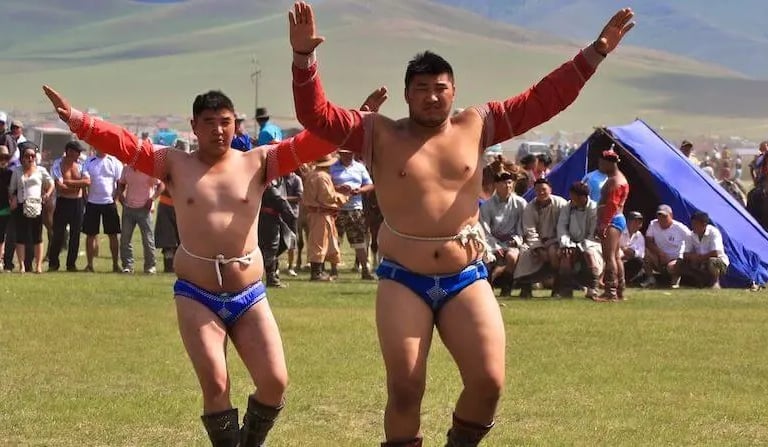
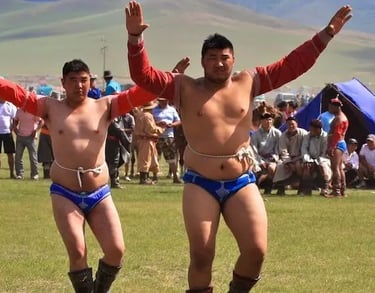
Day 12: Visit reindeer and take part in the local Naadam Festival.
The local Naadam Festival near Hatgal begins around 10–11 a.m., and you’ll take a short drive to join the celebration on Khuvsgul Lake’s western shore. Enjoy the opening ceremony and main events—horse racing, wrestling, and archery—while locals arrive in traditional dress on their finest horses. You can try festival games yourself, taste Huushuur (the signature Naadam dish), and browse the small Naadam trade area.On the return to your ger camp, you’ll visit the reindeer-herding Tsaatan people, who spend summers near the lake. Living in the taiga forest, they rely on their small reindeer herds for their livelihood, with some families moving closer to Khuvsgul during the warmer months.
Day 13: Uran Togoo extinct volcano
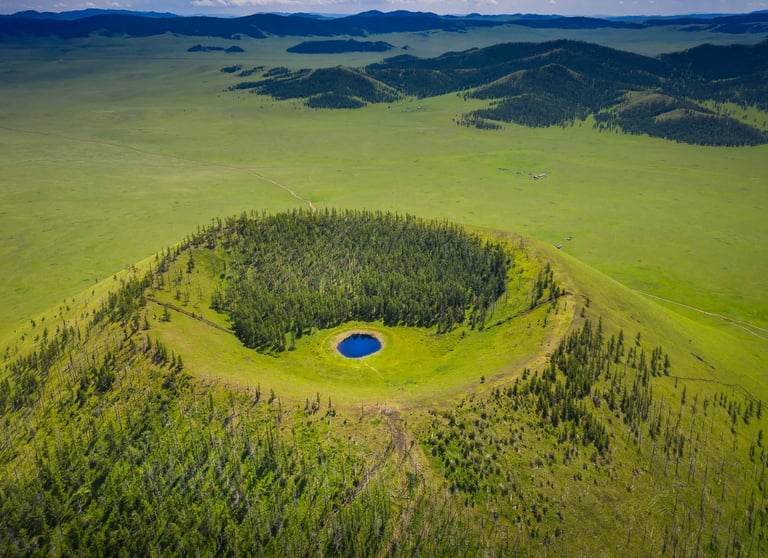
Proceed with the excursion to the 800,000-year-old Urantogoo volcano. There is a tiny lake on the tree-covered inner and outer northern slopes of the volcano. After a strenuous trek, you can reach the summit of the volcano, and once you are there, the view is breathtaking.
Day 14: Amarbayasgalant Monastery
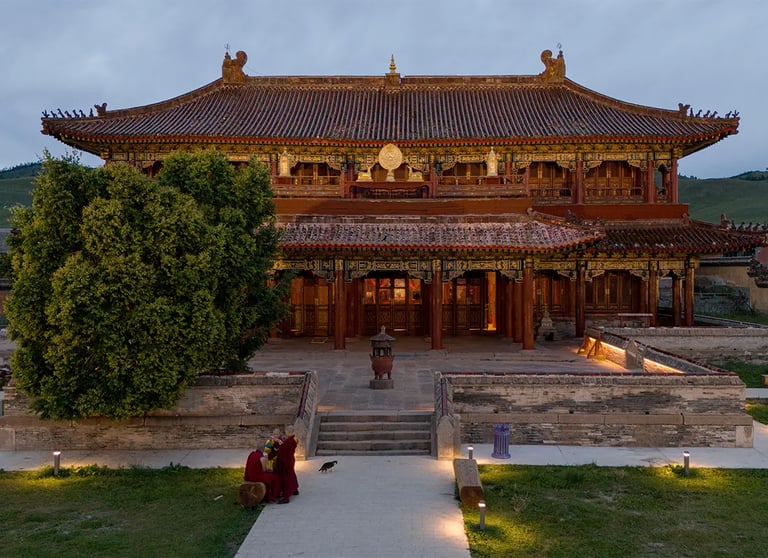
We will travel through the major town of Bulgan province and the Erdenet copper mine city on our way to Amarbayasgalant monastery. The second-largest and most beautiful monastery in Mongolia is called Amarbaysgalant. Between 1727 and 1736, it was constructed in Mongolian and Chinese styles. See the tall Buddha sculptures on the mountaintop as you visit the monastery in the afternoon.
Day 15:Return to Ulaanbaatar

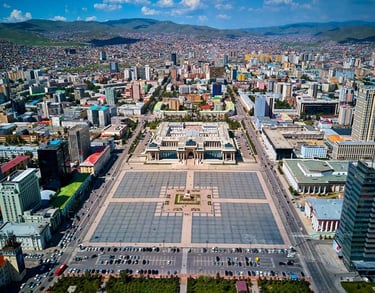
Your time in Mongolia's stunning countryside is coming to an end today. You check into a hotel in the heart of Ulaanbaatar after arriving late in the afternoon. Shopping and other alternative activities are free throughout the afternoon.
Day 16:Transfer to the airport


We will transfer you to the airport
Backgrounds
Are you a good fit for the Explore Mongolia and Naadam Festival Tour?
Throughout the tour, you’ll stay in a hotel in Ulaanbaatar and ger camps in the countryside. The itinerary does not include strenuous activities, but Mongolia’s vast landscapes require long drives over varied terrain. Daily driving ranges from 4.5 to 6 hours, with Day 2 being the longest at about 7–8 hours including a lunch stop.
With support from your guide, you’ll enjoy light activities such as 1–3 hours of gentle trekking, 1–3 hours of horseback riding, and a one-hour camel ride. Climbing the Gobi’s high sand dunes can be challenging but is optional—lower dunes are also available. The ascent of Khorgo Volcano on Day 9 may feel slightly demanding due to the 2,000-meter elevation, but it is a short and manageable climb. All meals listed in the itinerary are included.
Meals
All meals listed in the program are included. Ger camps mainly serve Mongolian dishes with some European options. Lunch and dinner typically feature meat-based meals—often beef—alongside salads, soups, and vegetables. Breakfast usually includes tea or coffee, bread, jam, butter, eggs, and sausage, with some camps offering cereals, pancakes, cheese, and cookies. Lunch includes salads, Mongolian soups, a main course (rice, pasta, vegetables, beef, mutton, chicken, or local fish), dessert, and tea. Dinner is similar, with a main dish, salads, and dessert. You’ll also enjoy authentic home-cooked Mongolian meals with nomadic families.
Please inform us in advance of any dietary needs, and we’ll accommodate them. Each day, you’ll receive two 0.5 L bottles of water, or one 1.5 L bottle upon request.
Accommodation
The tour includes 13 nights in countryside ger camps and 2 nights in a centrally located 3-star traveler-style hotel. Hotel or ger upgrades are available for an additional fee.
Address:
Bayngol District, 1 st Khoroo, Ulaanbaatar Mongolia 16050
Contacts
WhatsApp :+976 60192233
Email: info@horizonmongol.com


Blue Horizon Travel LLC
Company registration No: 8408505
Licensed Tour Operator – Mongolia
Ulaanbaatar, Mongolia